







Load Paths: The Invisible Logic That Holds Every Structure Together
Structural Engineering | October 1, 2026
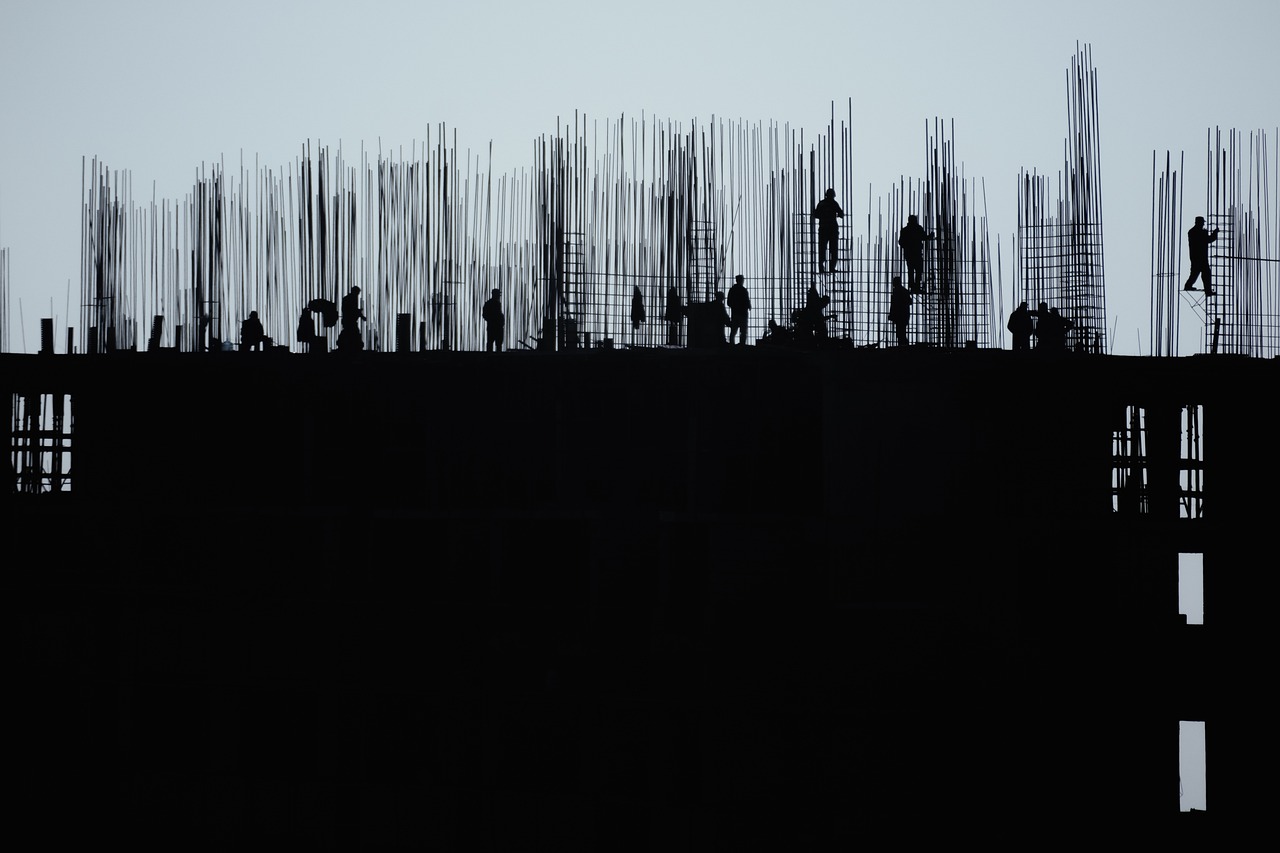
Every structure tells a story about force. Gravity pulls down. Wind pushes sideways. Soil pushes back. The engineer's job is to give those forces a clear, continuous path to the ground. When the path is obvious and direct, structures tend to behave. When it's convoluted or interrupted, problems accumulate quietly until they don't.
Load paths are not a glamorous topic. They don't photograph well. But they are the difference between a building that ages gracefully and one that surprises its owner with cracks, deflections, and expensive repairs.
Tracing the Journey from Roof to Footing
Consider a simple steel-framed warehouse. Snow sits on the roof deck. The deck spans to purlins. Purlins span to rafters. Rafters frame into columns. Columns carry the load to footings. Each element receives force from the one above and passes it to the one below. If any link is weak or discontinuous, the chain breaks.
In practice, load paths are rarely this tidy. Openings interrupt walls. Mezzanines introduce point loads. Equipment adds vibration and eccentricity. Renovations cut beams that once carried floors. Each change alters the path, sometimes in ways nobody intended.
Good engineers draw the path explicitly. They ask: where does this load go next? What happens if this member fails? Is there redundancy, or does everything depend on one connection? These questions are cheap to ask during design and expensive to ignore afterward.
Redundancy matters especially in public infrastructure. A bridge with multiple load paths can tolerate the loss of a member. A bridge with a single critical element cannot. The difference shows up in inspection reports, maintenance costs, and occasionally in headlines.
Why Load Path Thinking Improves Design
When engineers think in load paths, they make better decisions about layout, materials, and connections. They avoid awkward transfers that concentrate stress. They place expansion joints where movement is expected. They detail connections so forces pass smoothly rather than through abrupt changes in stiffness.
Load path thinking also improves communication. A structural drawing that shows how forces flow is easier to review, easier to build, and easier to inspect. Contractors appreciate clarity. Inspectors appreciate traceability. Owners appreciate fewer surprises.
The concept scales from a single beam to a regional network. A highway bridge, a water main, and a power transmission tower all have load paths. So does the soil beneath them. When we design infrastructure, we are really designing a series of paths that must remain continuous for decades.
None of this requires exotic software. It requires discipline: draw the path, check the connections, and ask what happens when something changes. The structures that last are the ones whose engineers never stopped asking.
-
The Art of the Retaining Wall: Engineering Ground That Won't Stay Put
Aug 26, 2026Tunneling & Underground

-
The Cable-Stayed Bridge Comeback: Why This 1950s Idea Now Dominates Skylines
Sep 30, 2026Geotechnical Engineering

-

-

-
The Art of the Retaining Wall: Engineering Ground That Won't Stay Put
Sep 9, 2026Structural Engineering

-
Designing for Maintenance: The Infrastructure Decision Nobody Wants to Make
Sep 20, 2026Urban Infrastructure

-
Why the Iron Bridge Still Matters: Lessons from the World's First Cast Iron Span
Sep 30, 2026Maintenance and Inspection

-
Load Paths: The Invisible Logic That Holds Every Structure Together
Sep 11, 2026Transportation Design

-

Iron Bridge Ideas

Permeable pavements won't solve every drainage problem, but they change how cities think about rain.