





The Cable-Stayed Bridge Comeback: Why This 1950s Idea Now Dominates Skylines
Bridge Design | September 19, 2026
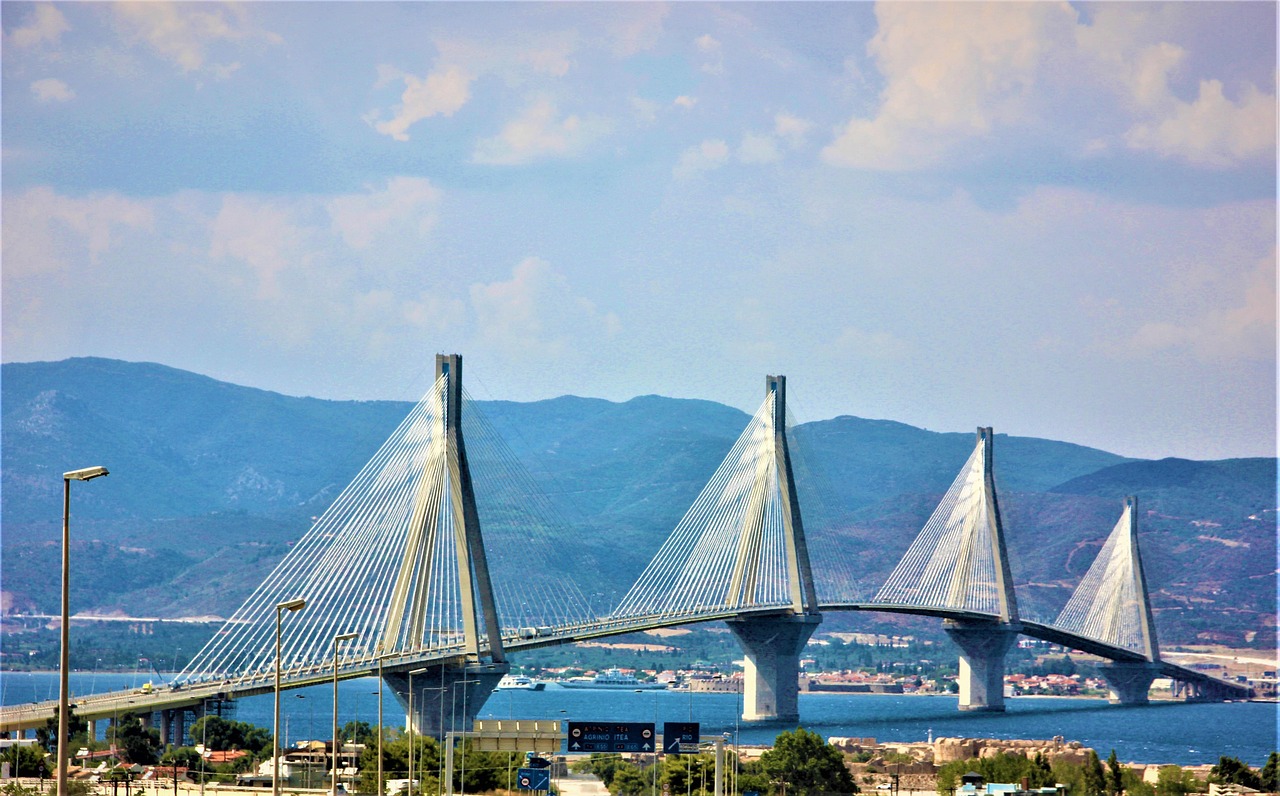
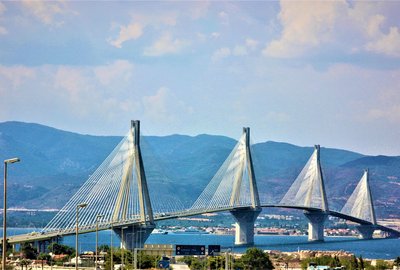
Drive into almost any mid-sized city and there is a good chance the newest signature crossing is a cable-stayed bridge. A single tower, a fan of cables, a slender deck. The form is so familiar now that it is easy to forget it is a relative newcomer to the mainstream. Engineers experimented with cable-stayed concepts for decades, but it was post-war Germany, facing tight budgets and wide river crossings, that pushed the type into serious practice. From there it spread steadily, and today it occupies a sweet spot in the span-length spectrum.
That sweet spot is the key to understanding the comeback. Suspension bridges make sense for very long spans, where their massive anchors and main cables earn their cost. Concrete girder bridges work well up to a few hundred feet. Between those two ranges, roughly where a crossing needs to clear a shipping channel or a wide valley but does not demand a two-mile main span, cable-stayed bridges tend to win on both cost and constructability.
Why the Economics Favor Cables
The structural logic is elegant. In a cable-stayed bridge, the deck is supported by inclined cables running directly from the deck to one or more towers. Those cables carry the deck load in tension, and the towers carry it in compression down to the foundations. Because the cables are inclined, they also introduce horizontal forces that must be balanced, usually by cables on the opposite side of the tower or by a stiff anchor pier. The result is a structure that distributes forces efficiently without requiring the enormous anchorages a suspension bridge needs.
Construction sequencing matters just as much. Cable-stayed decks can be erected in balanced cantilever, segment by segment, from each tower outward. This means the bridge can often be built without extensive temporary falsework in the water, which reduces cost, risk, and environmental disturbance. For agencies working over navigable rivers or sensitive estuaries, that is a major advantage.
There is also a maintenance story. Cables can be inspected, and in some designs individual strands or cables can be replaced. That is not a trivial operation, but it is feasible in a way that replacing a main suspension cable is not. Modern cable systems use sheathing and grouting or dehumidification to protect the steel, and monitoring techniques have improved enough that owners can track cable behavior over time.
What Designers Argue About Now
The live debates in cable-stayed design are less about whether to use the type and more about how. Tower shape, cable arrangement, and deck stiffness all interact in ways that affect both cost and wind performance. Aerodynamic stability, in particular, is a serious consideration for long, slender decks, and designers spend significant effort on wind tunnel testing and damping strategies.
There is also the question of redundancy and robustness. A cable-stayed bridge is a highly indeterminate structure, which generally helps it redistribute load if one element is damaged, but designers must still consider what happens if a cable is lost. Codes and owner requirements increasingly push for explicit checks on these scenarios.
None of this makes cable-stayed bridges simple. If anything, the type rewards careful engineering more than many older forms, because the geometry and force balance are so tightly coupled. But that is exactly why it has become so popular: when it is done well, it is efficient, buildable, and visually striking in a way that few other structural types can match.
-
The Cable-Stayed Bridge Comeback: Why This 1950s Idea Now Dominates Skylines
Sep 8, 2026Tunneling & Underground

-
Designing for Maintenance: The Infrastructure Decision Nobody Wants to Make
Sep 7, 2026Geotechnical Engineering

-
Why the Iron Bridge Still Matters: Lessons from the World's First Cast Iron Span
Aug 26, 2026Asset Management

-

-
Concrete That Breathes: Permeable Pavement and the Future of Stormwater
Sep 20, 2026Structural Engineering

-

-
Why Roundabouts Work: Geometry, Behavior, and the Case for Fewer Signals
Sep 24, 2026Maintenance and Inspection

-
The Cable-Stayed Bridge Comeback: Why This 1950s Idea Now Dominates Skylines
Sep 21, 2026Transportation Design

-

Iron Bridge Ideas

Road drainage is often treated as an afterthought, but the choices made at the design stage shape flooding, maintenance, and water quality for decades.