




Why Roundabouts Work: Geometry, Behavior, and the Case for Fewer Signals
Transportation Design | September 22, 2026
Ask a driver about roundabouts and you'll get one of two reactions: they love them or they hate them. Ask a traffic engineer and you'll get something more measured. Roundabouts, when designed well, reduce serious crashes, move traffic efficiently, and cost less to operate than signalized intersections. When designed poorly, they confuse drivers and create new problems.
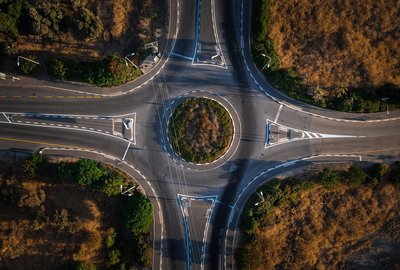
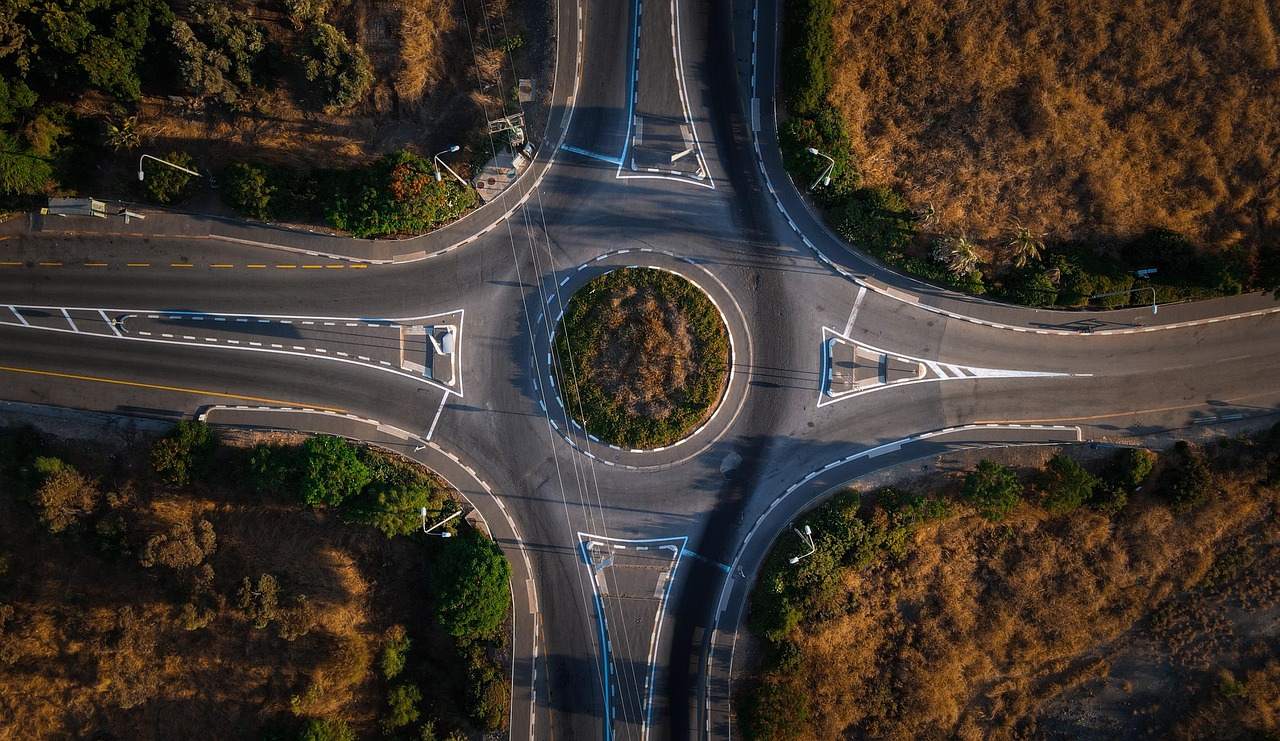
The difference is in the details. A modern roundabout is not the same as a traffic circle or a rotary. It has specific geometry: a circular central island, yield control on entry, and deflection that forces vehicles to slow down.
The Geometry Behind the Yield
The key feature of a roundabout is that entering traffic yields to circulating traffic. That single rule eliminates many of the conflict points that make conventional intersections dangerous. At a four-way stop or signal, vehicles cross in front of each other at multiple angles. At a roundabout, vehicles merge at shallow angles and travel in the same direction.
Deflection matters too. The entry lane is curved so that drivers must slow to navigate it. That curve is not decorative. It is a speed control device built into the geometry. When deflection is too gentle, drivers enter too fast and the roundabout feels chaotic. When it is too sharp, trucks and buses struggle to navigate.
Designers also consider sight lines, pedestrian crossings, and bicycle treatment. Pedestrians cross one lane at a time, often with refuge islands. Cyclists may share the lane, use a separated path, or take the lane depending on speed and volume. Each choice affects safety and comfort.
Where Roundabouts Fit and Where They Don't
Roundabouts work best where traffic volumes are moderate and turning movements are balanced. They struggle when one approach dominates, when volumes are very high, or when pedestrians and cyclists are numerous and unprotected. In those cases, signals or grade separation may be better.
They also require space. A roundabout needs more land than a simple stop-controlled intersection, though less than a large signalized one. In dense urban areas, that space may not exist. In suburban and rural settings, roundabouts often fit easily and perform well.
Public acceptance is a real factor. Drivers who have never used a roundabout may avoid it or approach it incorrectly. Education and clear signage help. So does good design that makes the correct path obvious. When roundabouts are built well, skepticism tends to fade.
The broader lesson is that intersection design is about behavior, not just capacity. A signal tells drivers when to go. A roundabout asks them to negotiate. Both can work. The question is which one fits the context, the volumes, and the people who will use it every day.
-
Why the Iron Bridge Still Matters: Lessons from the World's First Cast Iron Span
Sep 15, 2026Tunneling & Underground

-
The Art of the Retaining Wall: Engineering Ground That Won't Stay Put
Sep 23, 2026Geotechnical Engineering

-
Designing for Maintenance: The Infrastructure Decision Nobody Wants to Make
Sep 10, 2026Asset Management

-
Why the Iron Bridge Still Matters: Lessons from the World's First Cast Iron Span
Aug 30, 2026Historic Structures

-
Load Paths: The Invisible Logic That Holds Every Structure Together
Sep 19, 2026Structural Engineering

-
Concrete That Breathes: Permeable Pavement and the Future of Stormwater
Sep 30, 2026Urban Infrastructure

-
The Quiet Craft of Bridge Inspection: What Engineers Look For
Sep 1, 2026Maintenance and Inspection

-
Why Roundabouts Work: Geometry, Behavior, and the Case for Fewer Signals
Sep 8, 2026Transportation Design

-
The Cable-Stayed Bridge Comeback: Why This 1950s Idea Now Dominates Skylines
Sep 7, 2026Bridge Design

Iron Bridge Ideas
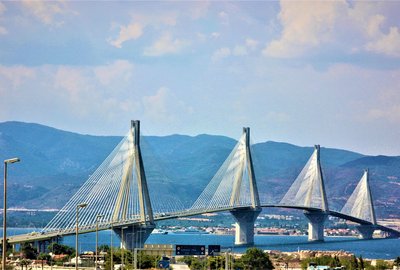
Cable-stayed bridges have quietly become the default choice for medium and long spans, and the reasons go well beyond aesthetics.