






Why Tunnels Cost So Much: The Real Reasons Behind the Price Tag
Tunneling & Underground | September 13, 2026
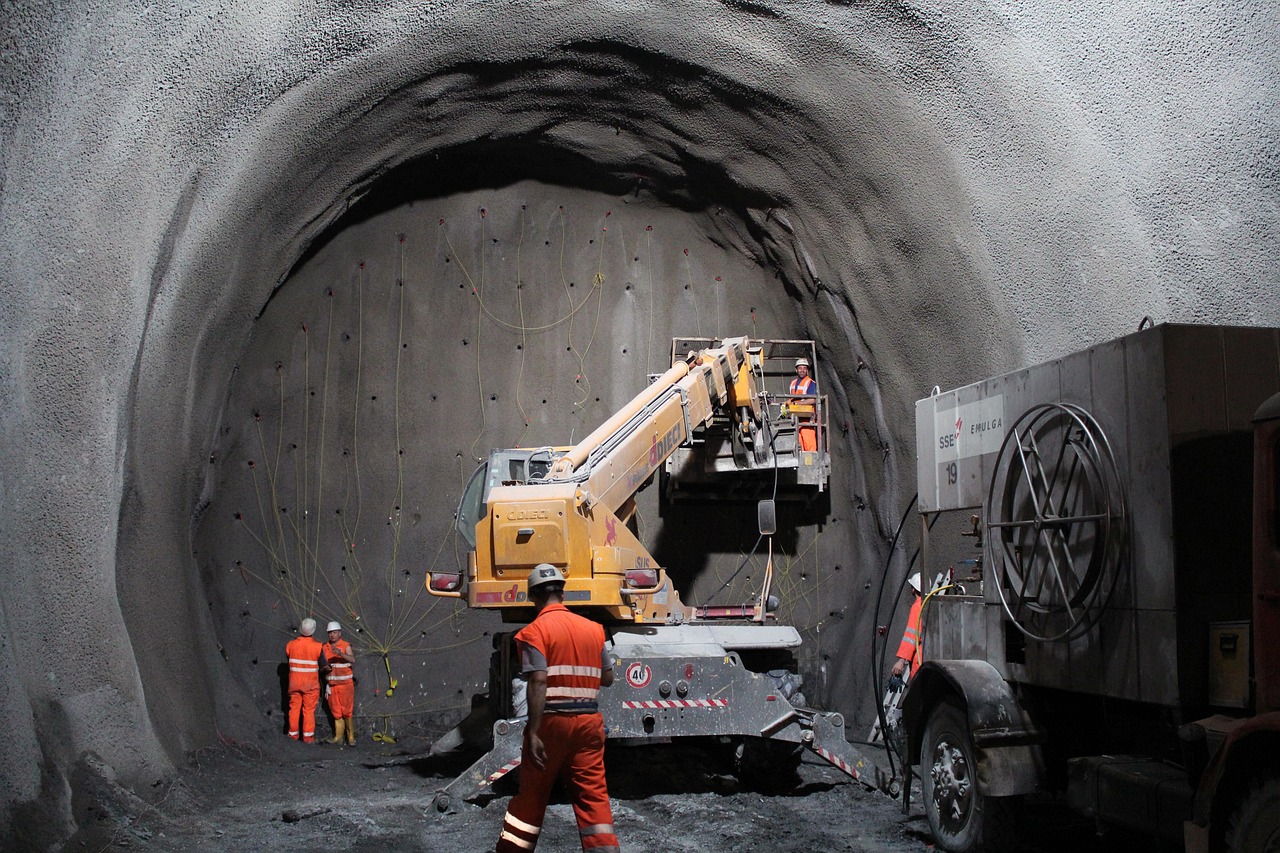
Ask anyone in the industry about tunnel costs and you will get a wry look. Tunnels are among the most expensive civil works per unit of length, and they have a reputation for blowing through budgets that is largely deserved. But the reasons are not mysterious. They are structural, geological, and institutional, and understanding them is the first step toward building them better.
The most obvious driver is that you cannot see what you are building through. Ground investigations give you a picture, but it is a sparse one. Borings and geophysical surveys sample a tiny fraction of the volume a tunnel will pass through. The rest is inference. When that inference is wrong, the consequences are expensive: unexpected water inflows, harder rock than anticipated, or soft ground that requires a different excavation method entirely.
Ground Conditions Drive Everything
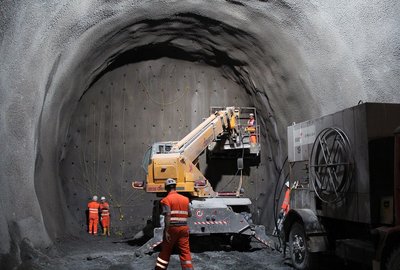
Tunneling methods are chosen to match expected ground. In hard rock, drill-and-blast or tunnel boring machines can advance steadily. In soft ground, you may need pressurized face machines, ground improvement, or careful sequential excavation with immediate support. Each method has different costs, different production rates, and different sensitivities to surprises.
Groundwater is often the biggest single risk. A tunnel below the water table must either be sealed against inflow or designed to handle it. Dewatering can settle nearby buildings. Inflow can flood the face and halt work. Treatment and disposal of contaminated groundwater can add cost and regulatory complexity that was never in the original estimate.
Then there is the matter of what is above the tunnel. In urban settings, the alignment must avoid foundations, utilities, and sensitive structures. Settlement tolerances may be measured in fractions of an inch. Monitoring and mitigation measures for affected buildings can rival the cost of the tunnel itself.
Process, Risk, and the Cost of Uncertainty
Beyond geology, tunnel projects carry contractual and process risks that inflate cost. Long timelines mean long exposure to inflation, labor market shifts, and changes in scope. Disputes over changed conditions are common because the baseline assumptions are so uncertain. Owners who transfer all geotechnical risk to contractors often pay a premium for that transfer, because contractors price the worst case.
There is also the simple fact that tunnels are linear projects with limited work fronts. Unlike a building, where many trades can work simultaneously, a tunnel often advances one face at a time. That limits how much schedule compression is possible, and schedule is money.
None of this means tunnels are bad value. For crossing a river, avoiding a mountain, or threading through a dense city, they are often the only viable option, and the long-term benefits can be enormous. But pretending they are predictable is a mistake. The projects that go well tend to be the ones that invest heavily in ground investigation, choose contractual arrangements that share risk honestly, and build in contingency for the unknowns that everyone knows will come.
-
Designing for Maintenance: The Infrastructure Decision Nobody Wants to Make
Sep 14, 2026Tunneling & Underground

-
Load Paths: The Invisible Logic That Holds Every Structure Together
Sep 4, 2026Geotechnical Engineering

-
Concrete That Breathes: Permeable Pavement and the Future of Stormwater
Sep 25, 2026Asset Management

-

-
Why Roundabouts Work: Geometry, Behavior, and the Case for Fewer Signals
Sep 11, 2026Structural Engineering

-
The Cable-Stayed Bridge Comeback: Why This 1950s Idea Now Dominates Skylines
Sep 3, 2026Urban Infrastructure

-
Drainage Is a Design Decision: Rethinking How Roads Handle Rain
Sep 5, 2026Maintenance and Inspection

-

-

Iron Bridge Ideas

Retaining walls are everywhere once you start noticing them, and the difference between a good one and a failing one is often invisible.